Significant Emissions Continue Despite Massive Public Funding
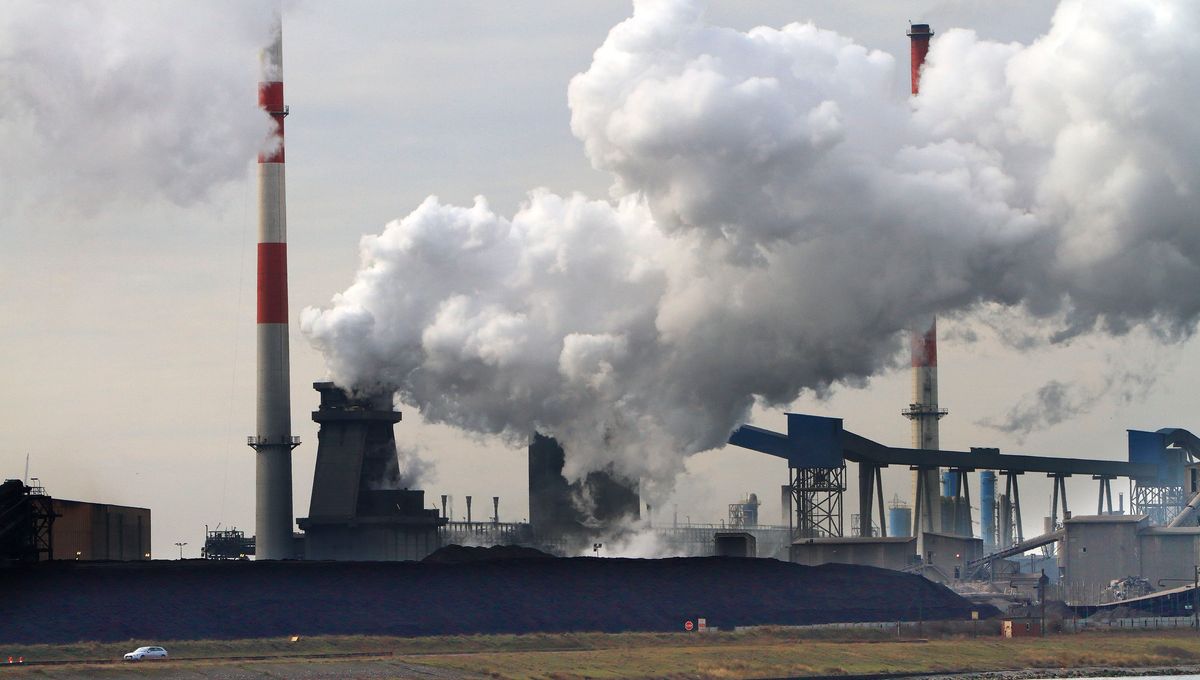
Despite massive public funding, the top 50 CO2-emitting industrial sites in France, designated by Emmanuel Macron for decarbonization two years ago, are still polluting too much, according to the Climate Action Network. These industries have mostly favored carbon capture solutions, which have limited impact, over more transformative efforts.
Top Polluters and Limited Decarbonization Efforts
The ArcelorMittal site in Fos-sur-Mer was the highest emitter of greenhouse gases in 2023, surpassing its Dunkirk counterpart. While ArcelorMittal, a partner of the Paris Olympics, aims to reduce its carbon footprint by 35% in Europe by 2030 and achieve global carbon neutrality by 2050, a report by the Climate Action Network reveals a mixed picture of France’s industrial transition. Industries were responsible for 17.5% of the country’s emissions in 2023.
The Illusion of Carbon Capture
The steel and construction material sectors did reduce emissions by 14% and 7% respectively last year, with the chemical sector cutting 1.8%. However, these reductions are mainly due to external crises (COVID-19, the Ukraine war, energy crises) rather than significant industrial transformation. The report criticizes the reliance on carbon capture and storage, highlighting its high costs and limitations.
Increased Emissions in Key Sites
Some sites even increased their emissions, such as TotalEnergies’ petrochemical plant in Gonfreville (+9.8%), LAT Nitrogen in Grand-Quevilly (+42%), Aluminium Dunkerque (+5.3%), and Lyondell Chimie France in Fos-sur-Mer (+3.8%). The focus on carbon capture technologies, which are still in their infancy and expensive, might divert attention from necessary changes in industrial practices.
Conditional Public Aid and True Decarbonization
The Climate Action Network calls for public aid to be directed towards more effective and affordable decarbonization solutions, ensuring that funds are not seen as « free public money. » This includes setting conditions on public support to ensure substantial and verifiable decarbonization efforts.
Beyond Climate: Environmental and Health Impacts
The report also highlights that industrial pollution impacts not just the climate but also air, water, and soil quality, with severe consequences for biodiversity and human health. The scandal involving per- and polyfluoroalkyl substances (PFAS) near Lyon, where Arkema and Daikin plants face legal action, underscores these broader environmental and health issues.